How Early in the Year Should You Start Tackling Moths

When most people think about moth problems, they picture summer months and warmer weather. In reality, moth activity often begins much earlier in the year than expected. By the time holes appear in clothing or insects are spotted in the pantry, moths may have already been active for weeks or even months.
Understanding how early moths become a problem and when to start prevention is one of the most effective ways to protect both your wardrobe and your food supply. Whether you are dealing with Clothes Moths or Pantry Moths, early action makes a significant difference in preventing damage and avoiding larger infestations later in the year.
Moths Do Not Follow the Calendar
One of the most common misconceptions about moths is that they only appear during summer. While outdoor moth populations increase in warm weather, indoor moth activity is driven more by environment than by season. Heated homes provide stable warmth throughout winter and early spring, allowing moths to remain active long before most people expect.
Both Clothes Moths and Pantry Moths can survive year round indoors. This means that waiting until late spring or summer to think about moth prevention often gives infestations time to become established.
When Clothes Moths Become Active

Clothes Moths thrive in dark, undisturbed spaces where natural fibers are stored. Closets, drawers, storage boxes, and carpet edges provide ideal conditions. While activity may slow slightly in colder months, Clothes Moths do not disappear in winter. Larvae can continue feeding quietly on wool, cashmere, silk, and other natural fibers even when adult moths are not visible.
In many US homes, Clothes Moth activity begins to increase in late winter or early spring. From February through March, larvae that survived winter can continue developing, and adult moths may start emerging as temperatures rise slightly indoors. This is often when people first notice signs such as small holes in clothing or occasional moth sightings.
When Pantry Moths Start to Appear
Pantry Moths are often introduced into homes through food packaging rather than entering from outside. Items such as flour, rice, grains, cereals, pet food, nuts, and baking mixes can already contain eggs or larvae when purchased.
Pantry Moth activity can begin at any time of year, but early spring is a common period for infestations to become noticeable. As kitchens become more active and pantries are stocked for seasonal cooking, moths may find ideal conditions to breed. Once established, Pantry Moths can spread quickly across multiple food items.

Why Early Action Matters
The most important thing to understand about both Clothes Moths and Pantry Moths is that the damage is caused by larvae, not adult moths. Adult moths do not eat clothing or food. Their role is to reproduce. By the time adult moths are visible, larvae are often already present and feeding.
Starting moth prevention early in the year helps interrupt this cycle before populations grow. Early monitoring allows you to detect activity before damage becomes widespread, making control far easier and less disruptive.
The Best Time to Start Tackling a Moth Infestation
For most households in the United States, the ideal time to start moth prevention is late winter or very early spring. February and March are excellent months to begin proactive measures, even if you have not seen any moths.
This timing allows you to address any lingering activity from the previous year and prevents new generations from developing as the year progresses. Waiting until warmer months often means reacting to a problem rather than preventing one.
Early Signs to Watch For
Catching moth activity early requires knowing what to look for. For Clothes Moths, signs include small holes in wool or cashmere, thinning fabric, fine webbing on garments, or moths flying near closets or baseboards. Damage is often found in areas that are rarely disturbed, such as the backs of closets or folded items in drawers.

For Pantry Moths, early signs include moths flying near kitchen cabinets, fine webbing inside food packaging, clumped grains or flour, or small larvae crawling near pantry shelves. Even one moth can indicate a larger problem hiding inside stored food.
Why Monitoring Early Makes a Difference
Using moth traps early in the year provides both detection and control. Clothes Moth Traps attract adult male moths, helping reduce breeding while showing whether activity is present. Pantry Moth Traps serve a similar purpose by revealing infestations before they spread across your pantry.
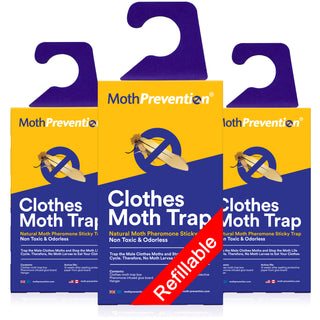
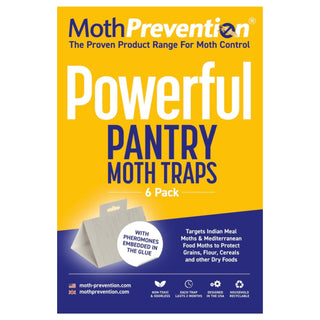
Monitoring early allows you to take targeted action. If traps remain clear, you gain reassurance that your prevention efforts are working. If moths are captured, you know exactly where to focus cleaning and inspection.
Replacing traps on the recommended schedule ensures they remain effective throughout the year. Clothes Moth Traps should be replaced every twelve weeks, while Pantry Moth Traps should be replaced every eight weeks.

Cleaning Early in the Year
Early spring is an ideal time for a thorough clean. For Clothes Moths, vacuum closets, drawers, carpet edges, and storage areas. Wash or dry clean natural fiber garments before storing them, even if they appear clean. Larvae are far more attracted to worn fabrics than freshly cleaned ones.

For Pantry Moths, empty pantry shelves, inspect all dry goods, discard any contaminated items, and clean shelves thoroughly. Transfer foods into airtight containers and avoid storing items in thin packaging.
Starting this process early helps eliminate eggs and larvae before populations grow.
Storage Habits That Support Prevention
How items are stored plays a major role in moth prevention. Avoid overcrowding closets and pantries, as moths prefer undisturbed spaces. Rotate clothing regularly and use items stored in the pantry so nothing sits untouched for long periods.
Breathable storage materials are especially important for clothing. Plastic containers can trap moisture, while breathable options allow airflow and reduce conditions that moths prefer.
Why Waiting Until Summer Is Risky
By summer, moth populations can increase rapidly. Warmer temperatures speed up the moth life cycle, allowing multiple generations to develop in a short time. At this stage, infestations are harder to control and damage can escalate quickly.
Starting early shifts your approach from damage control to prevention. This not only protects your belongings but also reduces stress and cost later in the year.
A Year Long Approach Works Best

Although early spring is the best time to start tackling moths, effective moth prevention is not limited to one season. Homes with stable indoor temperatures allow both Clothes Moths and Pantry Moths to remain active throughout the year, which means ongoing monitoring and maintenance are essential.
By using traps consistently, replacing refills on schedule, cleaning regularly, and checking vulnerable areas such as wardrobes, carpets, and pantry shelves, you stay ahead of moth activity rather than reacting once damage appears. Starting prevention in late winter or early spring gives you the best chance to detect early signs, disrupt breeding cycles, and protect clothing and food before problems escalate.
About MothPrevention
MothPrevention® speak to customers every day about their clothes moth issues - clothes moths are a species that are ever increasing and that can cause significant damage to clothes, carpets and other home textiles.
To date, we’ve helped over 250,000 customers deal with their moth problems. We have developed professional grade solutions including proprietary pheromones and trap design, not available from anybody else in the USA.