Beat the Heat: How to Stop Rapid Moth Breeding During the Summer

Summer is a season of warmth, long days, and outdoor activities. Unfortunately, it is also peak season for household pests. If you have recently opened a pantry door only to have a small moth flutter into your face, or if you have discovered fresh holes in your favorite lightweight wool cardigan, you are not alone.
Many homeowners find themselves asking why moth problems suddenly seem to explode during July and August. Online forums are frequently filled with desperate queries from people who successfully managed their homes all winter, only to find themselves facing a sudden, overwhelming moth infestation once the summer heat arrives.
The explanation for this sudden surge is simple: temperature is the ultimate catalyst for the moth life cycle. By understanding how the heat of summer accelerates moth breeding, you can take proactive, methodical steps to protect your food, your wardrobe, and your peace of mind.
The Science of Summer: How Heat Accelerates the Moth Life Cycle
To stop moths from breeding, you must first understand how temperature affects their development. Moths are cold-blooded insects, meaning their body temperature and metabolic rates are directly influenced by the temperature of their environment.
During the cooler winter months, moth development slows down significantly. Eggs can lay dormant for weeks or months, and larvae feed at a much slower rate. However, when indoor temperatures rise above 75°F (24°C), the entire lifecycle shifts into overdrive.

The Clothes Moth Acceleration
Under typical household conditions, the transition from egg to adult moth can take several months. However, in the high heat and humidity of summer, this timeline is dramatically compressed. Warmer weather allows the eggs to hatch faster, and the larvae feed voraciously on natural fibers to fuel their rapid growth.
To understand the stages of this destructive process, you can explore The Clothes Moth Life Cycle, which details how these textile pests transition from microscopic eggs into fabric-devouring larvae.
The Pantry Moth Explosion
Pantry Moths (specifically the Indian Meal Moth) are even more sensitive to temperature. In peak summer heat, a single female pantry moth can lay up to 500 eggs, which can hatch in as little as seven days. The larvae feed on grains, dried fruits, nuts, and pet food, pupating rapidly to emerge as breeding adults. Under optimal summer conditions, a complete generation can be completed in just four to six weeks, leading to an exponential population boom.
For a complete breakdown of their timeline and habits, read about The Pantry Moth Life Cycle.

Identifying the Double Threat: Clothes Moths vs. Pantry Moths
Before implementing a control strategy, you must identify which species has invaded your home. While both breed rapidly in the summer, they target completely different resources.
| Feature | Clothes Moths (Tineola bisselliella) | Pantry Moths (Plodia interpunctella) |
|---|---|---|
| Primary Target | Natural animal fibers (wool, cashmere, silk, feathers, leather, carpets) | Dry food goods (flour, rice, cereal, pasta, spices, nuts, pet food, birdseed) |
| Larval Appearance | Tiny, cream-colored caterpillars often found inside silken tubes or carrying cases | Small, white or pinkish caterpillars crawling near food sources or on ceilings |
| Adult Appearance | Small, golden-buff colored, weak flyers that avoid light | Reddish-brown and gray wings, active flyers attracted to light |
| Key Summer Risk | Packed dark wardrobes, stored winter garments, and undisturbed dark closets | Pantries, pet food storage areas, and warm kitchen cupboards |
5 Practical Steps to Stop Summer Moth Breeding
If you want to prevent a summer moth explosion, you must disrupt their breeding cycle. Follow this methodical, five-step framework to regain control of your home.
1. Perform a Thorough Inspection
Moths love dark, warm, undisturbed spaces. In the summer, you must search the areas you may normally overlook:
- For Clothes Moths: Inspect the back corners of closets, underneath heavy furniture, along baseboards where pet hair accumulates, and inside storage boxes containing winter woolens.
- For Pantry Moths: Empty your kitchen cupboards completely. Check the undersides of shelves, the hinges of cabinet doors, and the folds of cardboard food packaging where larvae love to spin their cocoons.
2. Isolate and Eliminate Sources
If you find an active breeding site, act immediately to prevent the infestation from spreading:
- Discard Contaminated Food: Throw away any dry goods showing signs of silk webbing, small holes in packaging, or active larvae. Seal these items in garbage bags and take them directly to an outdoor bin.
- Quarantine Damaged Garments: Place infested clothing in sealed plastic bags until they can be treated.

3. Use Temperature-Based Treatments
Extreme temperatures are your best weapon against microscopic moth eggs and active larvae.
- The Power of Cold: For delicate items that cannot be washed at high temperatures, wrap them securely in plastic bags and place them in a domestic freezer for at least 72 hours. This cold treatment effectively neutralizes eggs and larvae.
- High Heat Washing: Wash durable cottons or synthetic items at the highest temperature permitted by the fabric care label (ideally above 75°F / 24°C) to kill any hidden pests.
- Professional Dry Cleaning: Take delicate woolens and silks to a professional dry cleaner, as the chemical solvents and heat used in the process are highly effective at eliminating all life stages of the clothes moth.
4. Upgrade Your Storage Solutions
During the summer, paper, cardboard, and thin plastic bags offer no protection.
- In the Pantry: Transfer all dry grains, cereals, pet food, and baking ingredients into airtight glass, metal, or heavy-duty plastic containers. Pantry moth larvae can chew through cardboard and thin plastic wrap with ease.
- In the Closet: Clean your winter garments thoroughly before storing them. Once clean, place them in breathable cotton garment bags which will protect your clothing from pests while allowing air to circulate and stopping moisture build up.
5. Interrupt the Breeding Cycle with Specialized Pheromone Traps

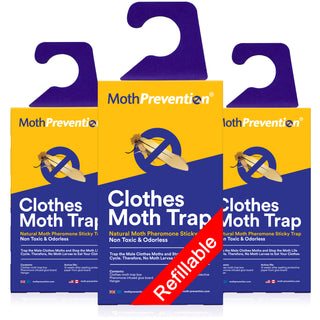
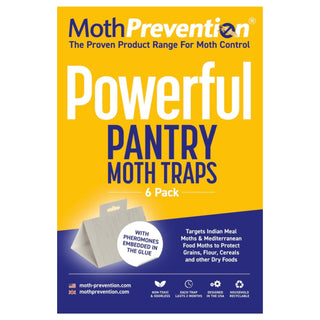
Because adult male moths fly actively during the summer in search of mates, deploying targeted pheromone traps is essential. These Clothes Moth Traps and Pantry Moth Traps use synthetic female pheromones to attract and capture adult males, effectively preventing them from fertilizing the females and halting the creation of a new generation.
For maximum effectiveness, select premium, non-toxic traps designed specifically for the species you are targeting. You can learn more about how these specialized systems work by reading Why Choose MothPrevention Moth Traps.
Frequently Asked Questions (FAQs)
Why do I see more moths inside my home during the summer?
Outdoor temperatures naturally increase the activity level of adult moths, while indoor warmth accelerates the metabolic rates of the larvae, causing them to mature and breed much faster than they do in colder months.
Can pantry moths chew through plastic bags?
Yes. Pantry moth larvae have surprisingly strong mouthparts and can chew through thin plastics, cellophane, cardboard, and paper packaging to reach food sources. This is why storing grains in heavy, rigid glass or plastic containers is necessary.
How long can moth eggs lay dormant?
Under poor or cold environmental conditions, clothes moth eggs can lay dormant for several weeks or even months. When temperatures rise in the summer, these dormant eggs receive the environmental cue that conditions are ideal, leading to a synchronized, sudden hatching event.
Does running the air conditioning help stop moths?
Keeping your home cool with air conditioning can help slow down the development rate of moth larvae and eggs. While it will not kill the moths, reducing the indoor temperature to below 70 degrees Fahrenheit (21 degrees Celsius) makes it harder for them to complete their life cycle rapidly.
A summer moth infestation can feel overwhelming, but it is a manageable issue if you take a calm, structured approach. By combining deep cleaning, proper storage, temperature treatments, and targeted pheromone monitoring, you can easily disrupt their breeding cycle. Do not let the summer heat compromise your hard-earned wardrobe or your kitchen pantry. Stay vigilant, monitor your spaces regularly, and keep your pheromone traps active to ensure your home remains a comfortable, moth-free sanctuary all season long.
About MothPrevention
MothPrevention® speak to customers every day about their clothes moth issues - clothes moths are a species that are ever increasing and that can cause significant damage to clothes, carpets and other home textiles.
To date, we’ve helped over 250,000 customers deal with their moth problems. We have developed professional grade solutions including proprietary pheromones and trap design, not available from anybody else in the USA.