Can Clothes Moths Live Outdoors? Protecting Your Home from Nature

When you discover a moth-eaten sweater in a drawer that has been closed for months, the first question is usually: "How did they get in here?" While we often associate Clothes Moths with the dark corners of our closets, they did not originate in our wardrobes. To truly protect your home, you must understand the relationship between these pests and the natural world.
The short answer is yes, Clothes Moths can and do live outdoors. However, their survival outside the climate-controlled environment of your home depends on specific conditions. Understanding these outdoor sources is the key to preventing a seasonal infestation in your home.
The Natural Habitat of Clothes Moths
In the wild, Clothes Moths - specifically the Webbing Clothes Moth (Tineola bisselliella) and the Case-bearing Clothes Moth (Tinea pellionella) - act as nature’s recycling crew. They serve a biological purpose by breaking down animal remains that other scavengers leave behind.
In nature, you will find Clothes Moth larvae in:
- Abandoned Bird Nests: This is the most common outdoor source. Nests are often constructed with feathers, animal hair, and dried moss, all of which contain the keratin larvae need to survive.
- Animal Dens and Carcasses: Larvae feed on the fur and skin remains of wildlife.
- Bat Guano: In some regions, moths are found in caves or attics where bats roost, feeding on the nutrient-rich detritus.
- Discarded Wool or Fur: Items left outdoors or in outbuildings provide an easy bridge for moths to move closer to your living spaces.

How Outdoor Moths Enter Your Home
If Clothes Moths are thriving in a bird's nest under your eaves or in a nearby shed, it is only a matter of time before they attempt to move indoors. Unlike many other insects, Clothes Moths are not strong fliers; they prefer to scuttle or fly in short, hopping bursts. They typically enter the home through:
1. Open Windows and Doors
Adult moths are often drawn toward the pheromones of other moths already inside, or they may simply fly through an unscreened window at dusk. While they are not as strongly attracted to light as other moth species, the warmth of a home can be a significant draw during cooler months.
2. Chimneys and Vents
Bird nests located in chimneys or near attic vents are a primary "entry point." Once the birds vacate the nest, the hungry larvae or newly emerged adult moths will move downward through the ventilation system into your living areas.
3. Hitchhiking on Pets and Clothing
If your pet spends time outdoors near areas where moths are breeding, eggs or larvae can occasionally hitch a ride on their fur. Similarly, if you store outdoor gear or blankets in an unprotected garage, you may inadvertently carry the infestation inside.

Weather and Survival: The Regional Factor
The ability of a Clothes Moth to survive outdoors is largely dictated by the temperature. In many regions, the cold winters act as a natural population control.
- Temperature Sensitivity: Clothes Moth larvae become dormant when temperatures drop below 50°F (10°C).
- Lethal Cold: For nature to kill the infestation for you, temperatures must drop below 0°F (-18°C) for several consecutive days.
- The "Home" Advantage: This is why they love your home. Our houses provide a consistent, warm climate that allows moths to breed year-round, whereas outdoor moths may only produce one generation per year.
5 Steps to Protecting Your Home from Nature
By taking a proactive approach to your home’s exterior and entry points, you can significantly reduce the risk of an outdoor-to-indoor migration.
1. Clear Potential Nesting Sites
Inspect the exterior of your home for abandoned bird or rodent nests, especially near the roofline, gutters and chimneys. Removing these "larvae factories" eliminates the primary source of outdoor infestations.
2. Secure Your Vents and Chimneys
Ensure that all attic vents, soffits and chimney flues are fitted with fine mesh screening. This allows for airflow while creating a physical barrier that prevents moths (and the birds that carry them) from entering.

3. Inspect "Bridge" Storage Areas
Garages, sheds and mudrooms often act as transition zones. If you store wool rugs, horse blankets, or winter coats in these areas, ensure they are kept in airtight plastic containers. Never store natural fibers in cardboard boxes, as these offer no protection against determined scavengers.
4. Maintain a "Buffer Zone"
Keep the perimeter of your home clear of organic debris. Piles of leaves, old grass clippings, and feathers can harbor the White-Shouldered House Moth, which is a common scavenger species that lives outdoors and feeds on both food and fabric.
5. Deploy Pheromone Traps as an Early Warning
Place Clothes Moth Traps near entry points such as windows or in the mudroom. If you begin catching adult male moths in these areas, it is a sign that an outdoor population is attempting to move in. Catching them early allows you to locate the source before they reach your main wardrobe.

Managing Your Defense with Traps and Refills
Because outdoor moths can be introduced at any time - especially during the spring and summer breeding seasons - monitoring must be a year-round habit. Using pheromone-based traps is a non-toxic, safe way to keep tabs on activity levels.
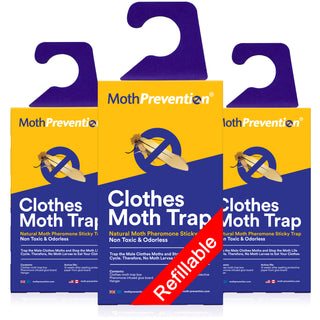
To maintain a strong defense, remember that the pheromone lure in your traps will eventually fade. You should replace your traps with fresh Moth Trap Refills every 12 weeks. This ensures the scent remains strong enough to intercept wandering males before they find a mate in your closet.
When to Seek Stronger Intervention
If your "border control" efforts fail and you find a significant number of moths inside, the infestation has likely moved from an outdoor nuisance to an indoor residency.
- Light Catch: 1 to 5 moths in a trap suggests a stray entry. Keep cleaning and monitoring.
- Heavy Catch: If traps fill up quickly, you likely have a breeding population inside. If thorough cleaning and regular trap replacement is not enough then you may like to read our Clothes Moth Kit Guide to advise on further treatments.
By understanding that nature is the original source of these pests, you can better defend your home. A combination of outdoor maintenance, airtight storage, and consistent pheromone monitoring is the best way to ensure your favorite clothes stay protected from the elements.
About MothPrevention
MothPrevention® speak to customers every day about their clothes moth issues - clothes moths are a species that are ever increasing and that can cause significant damage to clothes, carpets and other home textiles.
To date, we’ve helped over 250,000 customers deal with their moth problems. We have developed professional grade solutions including proprietary pheromones and trap design, not available from anybody else in the USA.