The Moths That Eat Everything: Protecting Your Food and Fabric
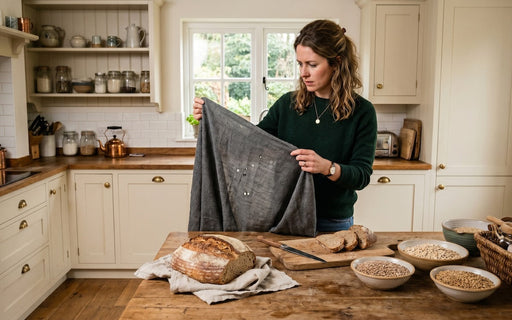
Finding a moth in your home is usually followed by a quick diagnostic check: Is it in the kitchen near the cereal, or in the bedroom near the sweaters? Most homeowners assume they are dealing with either a Pantry Moth or a Clothes Moth. However, there is a third category of domestic pests that complicates the situation. The Brown House Moth and the White-Shouldered House Moth are the "omnivores" of the moth world, capable of infesting both your food stores and your wardrobe.
Understanding how to identify these crossover pests is essential for protecting your home. Because these species are scavengers, a small population in a forgotten bag of flour can quickly migrate to a closet full of expensive woolens. By taking a methodical approach to identification and prevention, you can safeguard your home from these versatile invaders.
The Dual Threat: Meet the Scavenger Moths
While the common Webbing Clothes Moth focuses almost exclusively on keratin, certain species are less picky. These moths are known as generalist scavengers. They thrive in humid environments and are often found in older homes, outbuildings or basements where they have access to a wide variety of organic matter.
1. The Brown House Moth (Hofmannophila pseudospretella)

The Brown House Moth is perhaps the most common "crossover" pest. It is identified by its bronze-brown wings with three or four dark spots.
- The Food Connection: The larvae are notorious for infesting dried food, including flour, seeds, cereal and even dried fruit.
- The Fabric Connection: These larvae also consume animal-based fibers. They are frequently found in carpets, wool rugs and clothing, especially if the fabric is slightly damp or soiled.
2. The White-Shouldered House Moth (Endrosis sarcitrella)
Easily identified by a distinct patch of white scales on its "shoulders" (the base of the wings) and head, this moth is a prolific breeder.
- The Food Connection: Like the Brown House Moth, it thrives in pantries, feeding on grain-based products.
- The Fabric Connection: It is a major pest for natural fibers and is often found in bird nests or debris in lofts, from which it migrates into the living areas of the home to feed on carpets and clothing.

Why These Moths Are Harder to Track
Most moth infestations are localized. If you have Indian Meal Moths, you clean the pantry. If you have Webbing Clothes Moths, you clean the closet. However, because the Brown House Moth and White-Shouldered House Moth eat both food and fabric, the source of the infestation could be anywhere.
The larvae of these species are particularly hardy. They can survive on a diet of "household detritus," which includes dust, pet hair, cobwebs and dead insects. This means that even if you remove all visible food and clothing, a population can persist in the gaps between floorboards or behind baseboards until a new food source is introduced.
Signs of a Crossover Infestation
Before you can eliminate the source, you must identify the signs of activity in both the kitchen and the closet. Because these larvae are elusive and prefer dark, undisturbed areas, you should check for:
- Irregular Holes in Fabric: Look for ragged holes in wool, silk, or fur. These moths are often attracted to fabrics that have perspiration or food stains, as these provide additional nutrients.
- Contaminated Food: Look for silk webbing or "clumping" in bags of flour, grains, or birdseed.
- Larvae Sightings: The larvae of these species are cream-colored with brown heads. You may find them crawling up walls or across ceilings as they search for a safe place to pupate.
- Adult Moths in Unusual Places: If you see moths in your living room or hallway - areas away from both the kitchen and the bedroom - it is a strong indicator of a scavenger moth species that is moving between rooms.

5 Steps to Locating and Treating the Source
If you suspect you are dealing with moths that eat both food and fabric, follow this approved prevention framework:
1. The Full-Home Inspection
You cannot limit your search to just one room. Empty your pantry and your closets. Inspect every item, paying close attention to seams and folds in garments, as well as the corners of food packaging. Check behind heavy furniture and along baseboards where lint and hair accumulate, as these serve as "bridge" food sources for scavenger larvae.
2. Immediate Isolation and Disposal
Any food items showing signs of webbing or larvae must be discarded immediately in an outdoor trash bin. For clothing, any items showing signs of damage should be isolated in sealed bags to prevent the larvae from moving to "clean" garments.
3. Comprehensive Temperature Treatment
To effectively deal with eggs and larvae, use temperature-based solutions across all affected materials:
- High Heat: Wash clothes and textile items at a high temperature (at least 120°F) if the fabric allows.
- Freezing: For delicate items, place them in a sealed bag and freeze them for at least 72 hours at 0°F or colder.
- Pantry Hygiene: For the kitchen, wipe down all shelves with a cleaning solution to remove microscopic eggs.

4. Airtight Storage Solutions
Once cleaned, store your dry goods in glass or heavy-duty plastic containers with airtight seals. Similarly, store seasonal natural fiber garments in airtight garment bags. This creates a physical barrier that prevents moths from accessing a food source or laying new eggs.
5. Ongoing Monitoring with Specialized Traps
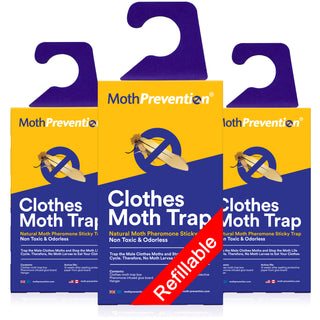
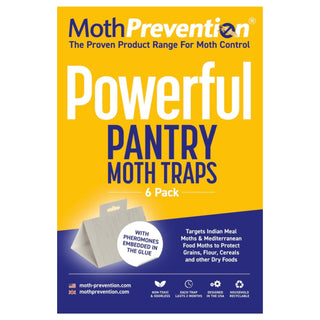
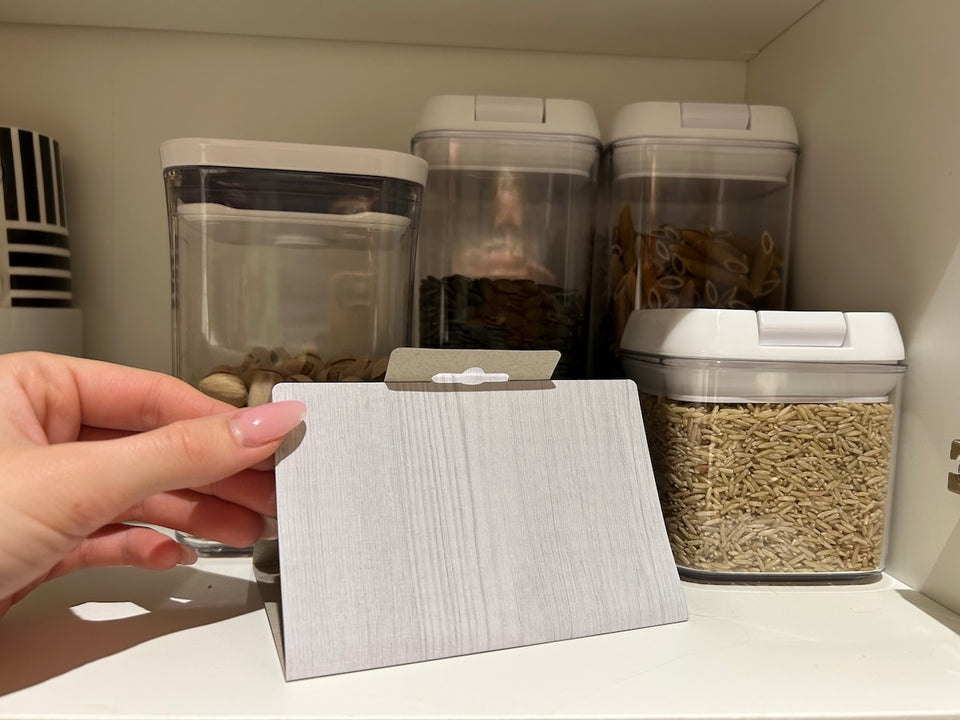
Monitoring is essential when dealing with crossover pests. Because different moths are attracted to different pheromones, you may need a combination of traps. Use pheromone traps specifically designed for Clothes Moths in your wardrobes and Pantry Moth traps in your kitchen. This will help you identify exactly which species you are dealing with and where the highest concentration of activity remains.
Managing Your Defense System
Pheromone traps are a vital part of a long-term prevention system. They are pesticide-free and non-toxic, making them safe for use in both kitchens and bedrooms. However, they are not a "one-and-done" fix.
To remain effective, Clothes Moth Traps should be replaced every 12 weeks. Using regular trap refills ensures that the pheromones remain potent. Pantry MothTraps need refreshing every 8 weeks or sooner if the traps are full. By monitoring the number of moths caught, you can determine if your cleaning efforts have been successful or if there is a hidden source of the infestation that still needs to be addressed.
When to Escalate Your Efforts
The severity of an infestation determines the necessary response:
- Light Infestation: A few moths seen or early trap catches (1 to 5 moths). Focus on deep cleaning and monitoring.
- Moderate Infestation: Visible signs of larvae in food or damage to multiple garments. Increase inspection frequency and ensure all organic debris is removed from the home.
- Heavy Infestation: Widespread damage across different rooms and repeated sightings. In these cases, a "step-up" solution like a Clothes Moth Killer Kit or professional intervention may be necessary to break the life cycle effectively.
Consistency is the key to protecting your home. By understanding that some moths can transition from the pantry to the closet, you can take a more holistic approach to pest control. Combining thorough hygiene with the strategic use of pheromone traps will help you maintain a moth-free home and preserve both your food and your favorite wardrobe pieces for years to come.
About MothPrevention
MothPrevention® speak to customers every day about their clothes moth issues - clothes moths are a species that are ever increasing and that can cause significant damage to clothes, carpets and other home textiles.
To date, we’ve helped over 250,000 customers deal with their moth problems. We have developed professional grade solutions including proprietary pheromones and trap design, not available from anybody else in the USA.