Why Do I Have Moths? Understanding the Carpet Moth Life Cycle

Finding thinning patches on your favorite wool rug or "silky" trails along the baseboards is disheartening. You might wonder, "My house is clean, so why do I have moths?" The truth is that carpet moths aren't looking for dirt; they are looking for keratin - the protein found in natural animal fibers like wool, silk, and hair. To protect your home, you need to understand the four stages of their life cycle. This knowledge allows you to strike when they are most vulnerable.
The Four Stages of a Moth Infestation
1. The Egg: The Invisible Arrival
A single female carpet moth can lay up to 200 eggs in her short lifetime. These eggs are microscopic and slightly sticky, allowing them to cling deep within the pile of your carpets or behind heavy furniture.
- Duration: 4 to 10 days.
- The Danger: Because they are invisible to the naked eye, you won't know they are there until they hatch.
2. The Larva: The Real Culprit
This is the only stage where damage occurs. Once the eggs hatch, the larvae emerge as small, creamy-white caterpillars. They spend their entire existence eating your carpet. They prefer dark, undisturbed areas - think under the sofa, behind the curtains, or beneath the sideboard.
- Duration: 2 months to 2 years (depending on temperature and food source).
- The Danger: If left undisturbed, a generation of larvae can graze through a wool rug, leaving nothing but the backing.
3. The Pupa: The Transformation

Once the larva has eaten its fill, it creates a cocoon (or "case"). These often look like small grains of rice or debris stuck to the carpet fibers. Inside, the larva undergoes metamorphosis to become an adult.
- Duration: 10 to 30 days.
- The Danger: At this stage, they are tucked away in cracks and crevices, making them resistant to light vacuuming.
4. The Adult: The Messenger
The adult moth does not have mouthparts- - it cannot eat your carpet. Its only job is to find a mate and lay more eggs. If you see a small, buff-colored moth scuttling across the floor rather than flying, it is likely a carpet moth.
- Duration: 2 to 4 weeks.
- The Danger: An adult sighting is a "red flag" that larvae are already active nearby.
Why Is April the Critical Month?
As the weather warms up in April, the life cycle of the moth accelerates. Higher temperatures signal to the pupae that it is time to emerge as adults and begin the breeding cycle. This is why "Spring Cleaning" is more than a chore, it’s a defensive maneuver.
How to Break the Cycle
- Disturb the "Dead Zones": Move heavy furniture and vacuum thoroughly in the dark corners where larvae hide.
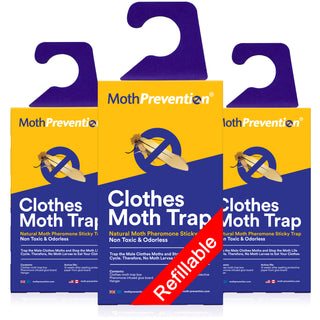
- Monitor with Pheromones: Use Clothes and Carpet Moth Traps to catch adult males. This stops them from mating with females, effectively "breaking" the cycle before the next 200 eggs can be laid.
- Heat & Treatment: If you find active larvae, professional cleaning or a targeted moth-killer spray is necessary to ensure no eggs or pupae survive in the floorboards.


Keep Your Home Moth-Free This Spring
Understanding the enemy is half the battle. By identifying the signs of the larvae and monitoring the adults, you can keep your natural fiber carpets beautiful for a lifetime.
The "Moth-Proof" Spring Cleaning Checklist
Carpet moths thrive in the places we usually skip during a quick Sunday tidy-up. Use this checklist during your April deep clean to find the "hidden" members of the moth life cycle.
1. The "Move Everything" Phase
Carpet moth larvae hate light and movement. They prefer the stagnant dust under heavy objects.
- Move the Sofa: Vacuum the carpet entirely beneath legs and base frames.
- Under the Sideboard/TV Stand: Dust and vacuum the "dead zone" between the furniture and the wall.
- Lift the Rugs: If you have area rugs over hard floors, flip the edges. Larvae often hide on the underside (the burlap/backing) of the rug.
2. The Edge & Crevice Detail
Larvae love the gap where the carpet meets the skirting board (baseboard).
- The Crevice Tool: Use the thin nozzle attachment on your vacuum to clean deep into the gap between the carpet and the wall.
- Behind the Curtains: Check the floor area behind floor-length drapes, as the fabric provides extra darkness and protection for moths.
- Radiator Brackets: Vacuum behind radiators where dust and hair (extra keratin!) tend to accumulate.

3. The Natural Fiber Audit
Identify the high-risk zones in your home.
- Check the Composition: Identify which rugs are wool or silk blends versus synthetic (nylon/polyester). Focus your deepest cleaning on the natural fibers.
- Inspect the "Spare" Room: Rooms that are used less frequently are the primary breeding grounds for infestations.
- Pet Hair Patrol: Pet hair is pure keratin. Ensure hair "tumbleweeds" are removed from under beds and in corners, as these are a 5-star buffet for larvae.
4. Monitoring & Prevention
Once the area is clean, keep it that way.
- Deploy Pheromone Traps: Place Carpet Moth Traps at floor level in areas with low airflow.
- Check Existing Traps: If you already have traps, check if the 12-week mark is approaching and swap in fresh Carpet Moth Trap Refills.
- Seal the Gains: If you find a heavily infested rug, wrap it in plastic immediately and move it outside to prevent the larvae from migrating to other rooms while you decide on a treatment plan.
A Pro-Tip for April:

If you are putting away winter woolens this month, remember that a "carpet" moth isn't picky - if they hatch in your rug, they will happily climb into a closet for a cashmere snack. Treating your carpets is the best way to protect your clothes!
About MothPrevention
MothPrevention® speak to customers every day about their clothes moth issues - clothes moths are a species that are ever increasing and that can cause significant damage to clothes, carpets and other home textiles.
To date, we’ve helped over 250,000 customers deal with their moth problems. We have developed professional grade solutions including proprietary pheromones and trap design, not available from anybody else in the USA.